

Renegotiating After You’ve Signed: The Email That Ended a Property Sale

After their bond was withdrawn, the buyers were given time to arrange new finance. Instead, one of them emailed the conveyancer saying they would only apply for another bond after the seller repaired an alleged defect or agreed to reduce the price. The seller understood this to mean that the buyers would not proceed on the terms they had already accepted. She cancelled the sale, and the High Court agreed that she was entitled to do so. The buyers lost the sale and the money already paid and faced further financial consequences.

Read More

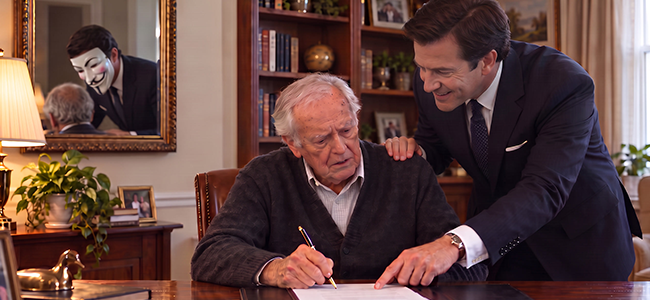
Was it Even His Signature? How to Overturn a Fraudulent Will

It’s unfortunately all too common a tale. Out of the blue, an older person, rendered vulnerable by age or illness, acquires a new “friend”. Before anyone in the family realises what’s going on, their loved one has died, and the fraudster claims to be sole heir in terms of a last-minute will. No surprise then that our courts must often determine whether a deceased person’s last will was tainted by incapacity, undue influence, fraud, or even forgery. The sad tale of a 90-year-old man who left behind two conflicting wills is a good example of how our courts approach these situations.

Read More

Podcast

Latest News

Can Family Conflict Kibosh a Trust?

When a trust’s founder dies, families often assume that whatever they said they wanted will be honoured, even if the trust deed was never changed to reflect it. A recent Supreme Court of Appeal decision confirms that this is not how trusts work. What governs a trust after the founder’s death is the trust deed itself, not the wishes they expressed at family meetings in their final years.

Read More

Cancelled Sale, Damaged Property. Who Pays?

When a sale falls through, most people assume restitution means simply giving back the money and the property. A recent High Court decision shows it is rarely that straightforward, particularly if the property itself has changed in the interim. The ruling explains how restoration costs should be worked out, and why the condition of the property when occupation begins can matter years later.

Read More

Does the Consumer Protection Act Protect Every Tenant?

Paying rent under a residential lease does not automatically make you a consumer under the Consumer Protection Act. A recent Supreme Court of Appeal decision shows that the real question is whether the landlord is letting property in the ordinary course of business. That said, even where the CPA does not apply and a lease is validly cancelled, a landlord cannot simply tell a tenant to leave without following the correct eviction process.

Read More

Never miss an update

Get weekly industry tips sent straight to your inbox!